

What is the basic difference?
Assisted living is designed for people who need help with daily activities but do not require continuous medical care. A nursing home, often called a skilled nursing facility, is intended for people who need regular nursing oversight, rehabilitation, or more complex medical support.
The right setting depends less on age than on care needs. A person who needs help with bathing, meals, medications, or transportation may be appropriate for assisted living. Someone who needs wound care, frequent nursing assessments, intravenous treatment, or extensive help with mobility may need nursing-facility care.
Pennsylvania uses several categories for residential care. Assisted living residences and personal care homes are licensed by the Department of Human Services, while nursing facilities are regulated through the Pennsylvania Department of Health and may be certified for Medicare or Medicaid participation. ([pa.gov](https://www.pa.gov/agencies/dhs/resources/aging-physical-disabilities/personal-care-homes?utm_source=openai))
How does assisted living usually work?
Assisted living provides a residential setting with support built into everyday life. Residents commonly have private or shared living spaces, meals, housekeeping, activities, and assistance with personal care.
Services may include:
- Bathing, dressing, grooming, and toileting assistance
- Medication reminders or medication administration
- Help getting in and out of bed or a chair
- Meal support and monitoring of eating or drinking
- Laundry and light housekeeping
- Transportation arrangements
- Social, recreational, and wellness activities
- Coordination of medical appointments
Pennsylvania describes assisted living residences as settings that may serve people with higher needs than a personal care home while still allowing residents to make choices and potentially age in place. The exact services and limits vary by residence, so a written assessment and service agreement should be reviewed carefully. ([pa.gov](https://www.pa.gov/agencies/dhs/resources/aging-physical-disabilities/personal-care-homes?utm_source=openai))
Assisted living is not the same as having a nurse available to provide hospital-level treatment at all times. Some residences have nurses on staff, while others arrange outside clinical services. Ask specifically about overnight coverage, response procedures, medication administration, and what happens if health needs increase.
What care is provided in a nursing home?
Nursing homes provide a higher level of ongoing medical and personal care. Residents may need assistance throughout the day and night, along with regular monitoring by licensed nurses and access to physicians, therapists, dietary staff, and other health professionals.
Nursing-home care may be appropriate for someone who has:
- Significant difficulty walking, transferring, or repositioning
- Frequent falls or a high risk of injury
- Complex medication or treatment needs
- Nonhealing wounds or pressure injuries
- A feeding tube, intravenous treatment, or respiratory support
- Advanced neurological or cognitive impairment
- A need for rehabilitation after hospitalization
- A condition requiring regular nursing assessment
Some nursing homes provide short-term skilled rehabilitation after an illness, surgery, or injury. Others provide long-term care for people who can no longer be safely supported at home or in a less intensive residential setting.
Medicare Part A may cover eligible short-term skilled nursing care after a qualifying inpatient hospital stay, but it generally does not cover long-term custodial nursing-home care. Coverage rules can also differ under Medicare Advantage plans. ([medicare.gov](https://www.medicare.gov/coverage/skilled-nursing-facility-care?utm_source=openai))
Which setting offers more independence?
Assisted living generally offers more independence in daily routines, privacy, and decision-making. Residents may choose when to wake up, what activities to attend, and how to arrange their living space, while receiving help with tasks that have become difficult.
Nursing homes are more structured because residents often require closer supervision and more frequent care. That does not mean residents lose all control. Nursing-home residents still have rights involving privacy, visitors, personal preferences, care planning, and participation in decisions.
A common misconception is that assisted living is simply a lighter version of a nursing home. The two settings have different licensing standards, staffing models, physical layouts, and care limits. Pennsylvania’s Department of Aging cautions that comparisons should generally be made within the same category because assisted living and skilled nursing facilities serve different purposes. ([pa.gov](https://www.pa.gov/content/dam/copapwp-pagov/en/aging/documents/pa-carekit/caregiver-worksheets/long-term%20care%20facility%20worksheet.pdf?utm_source=openai))
How should families think about safety?
Safety needs should be assessed honestly rather than based only on what a person prefers. A person may strongly want to remain in an apartment but still need help that cannot be provided reliably, especially during evenings, overnight hours, or winter weather.
For households in Towanda, seasonal conditions may affect the decision. Snow, ice, shorter daylight, and rural or spread-out housing patterns can make transportation, outdoor mobility, emergency response, and routine appointments more difficult. A residence may offer greater safety if the person is repeatedly falling, forgetting medications, becoming lost, or struggling to manage heating, food, or home maintenance.
Questions to consider include:
- Can the person use the bathroom safely without immediate help?
- Can medications be taken correctly every day?
- Can the person respond to a fire alarm or medical emergency?
- Is help available at night, not only during business hours?
- Can the person transfer from bed to chair without injury?
- Are memory changes affecting cooking, finances, driving, or judgment?
- What would happen after a fall, hospitalization, or sudden decline?
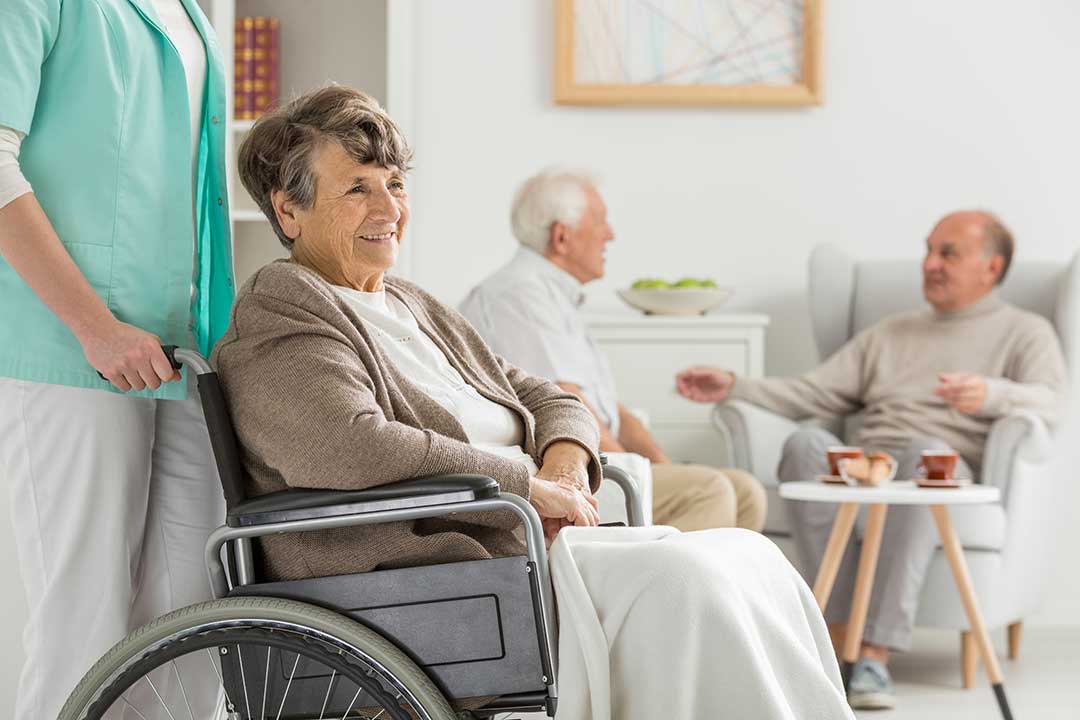
An assessment should consider both current abilities and likely changes over the next several months. Choosing a setting only for today’s needs can lead to another disruptive move later.
What are the biggest financial differences?
Assisted living and long-term nursing-home care are usually paid differently. Assisted living residences in Pennsylvania are typically paid privately, although some residents may qualify for limited home- and community-based assistance or other support. Rates may include a base fee plus additional charges for medication management, personal care, transportation, or specialized services. ([pa.gov](https://www.pa.gov/agencies/dhs/resources/aging-physical-disabilities/personal-care-homes?utm_source=openai))
Nursing-home costs depend on whether care is short-term rehabilitation, long-term private-pay care, or covered through Medicaid eligibility. Medicare generally covers only qualifying skilled care for a limited period, not an indefinite stay based solely on help with daily activities. Pennsylvania Medicaid may help eligible residents with long-term nursing-facility services, but financial and medical eligibility rules apply. ([medicare.gov](https://www.medicare.gov/coverage/skilled-nursing-facility-care?utm_source=openai))
Before comparing prices, ask for a complete written fee schedule. A lower monthly rate may not remain lower after care levels, supplies, transportation, or medication services are added.
What should be checked before choosing?
Visit more than once and, if possible, at different times of day. Staffing, cleanliness, meal service, noise, and resident engagement can look different in the morning, evening, and on weekends.
Ask each setting:
- What care needs cannot be managed there?
- Is a nurse present overnight?
- How are falls, medication errors, and emergencies handled?
- How many direct-care staff are scheduled on each shift?
- What services cost extra?
- How are changes in condition communicated to family?
- Is dementia-related support available?
- What are the rules for hospital returns or temporary absences?
- What are the discharge or transfer policies?
- Which state agency licenses and inspects the setting?
Pennsylvania recommends verifying licensing, reviewing contracts, observing meals and activities, asking about staff qualifications, and visiting at different times. These steps are especially useful when comparing options available to local residents and families. ([pa.gov](https://www.pa.gov/agencies/dhs/resources/aging-physical-disabilities/personal-care-homes?utm_source=openai))
The most suitable choice is the setting that safely matches the person’s medical needs, daily abilities, preferences, finances, and likely progression—not necessarily the setting with the lowest price or the most attractive building.
